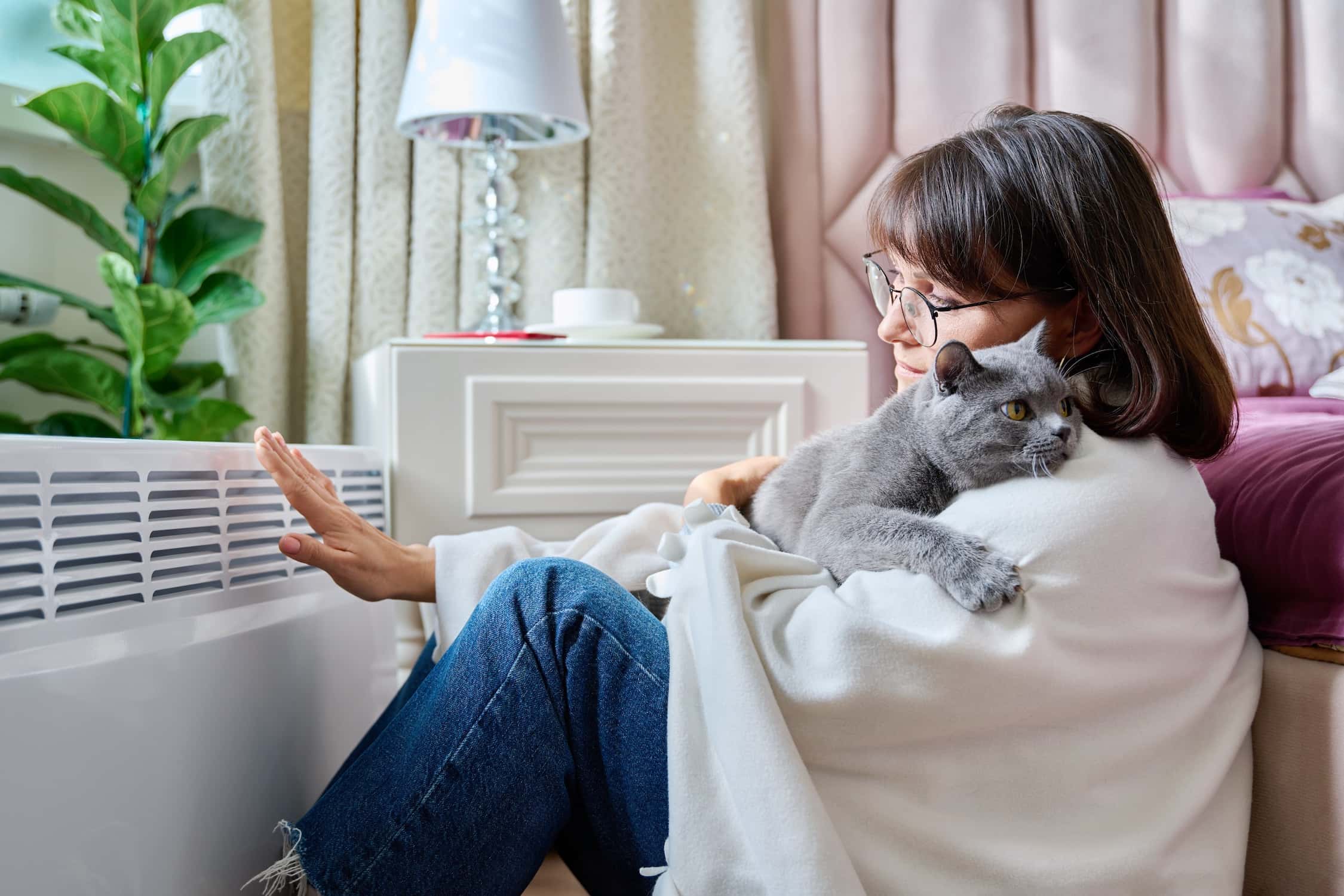
A faulty thermostat is one of the most common reasons why a storage heater stops working properly. When the thermostat fails, the heater may stop charging, overheat, release too much heat, or remain cold even when the power supply is working.
Storage heaters are simple and durable, but they still depend on key internal components. The thermostat is one of the most important. It controls temperature, protects the heater from overheating, and helps the unit store heat safely overnight.
This guide explains the most common storage heater thermostat problems, the warning signs to look for, and when thermostat replacement or professional repair is needed.
If your heater is cold, overheating, or not charging correctly, a qualified storage heater repair specialist in London can test the thermostat and repair the fault safely.
The thermostat controls the temperature inside the storage heater. It helps the heater charge overnight without becoming too hot and allows the unit to operate safely.
Inside a storage heater, electric heating elements warm ceramic or clay bricks. These bricks store heat overnight and release it slowly during the day. The thermostat monitors the internal temperature and controls when the heating elements should switch on or off.
Without a working thermostat, the heater cannot regulate heat correctly. This can lead to poor performance, overheating, repeated cut-outs, or no heat at all.
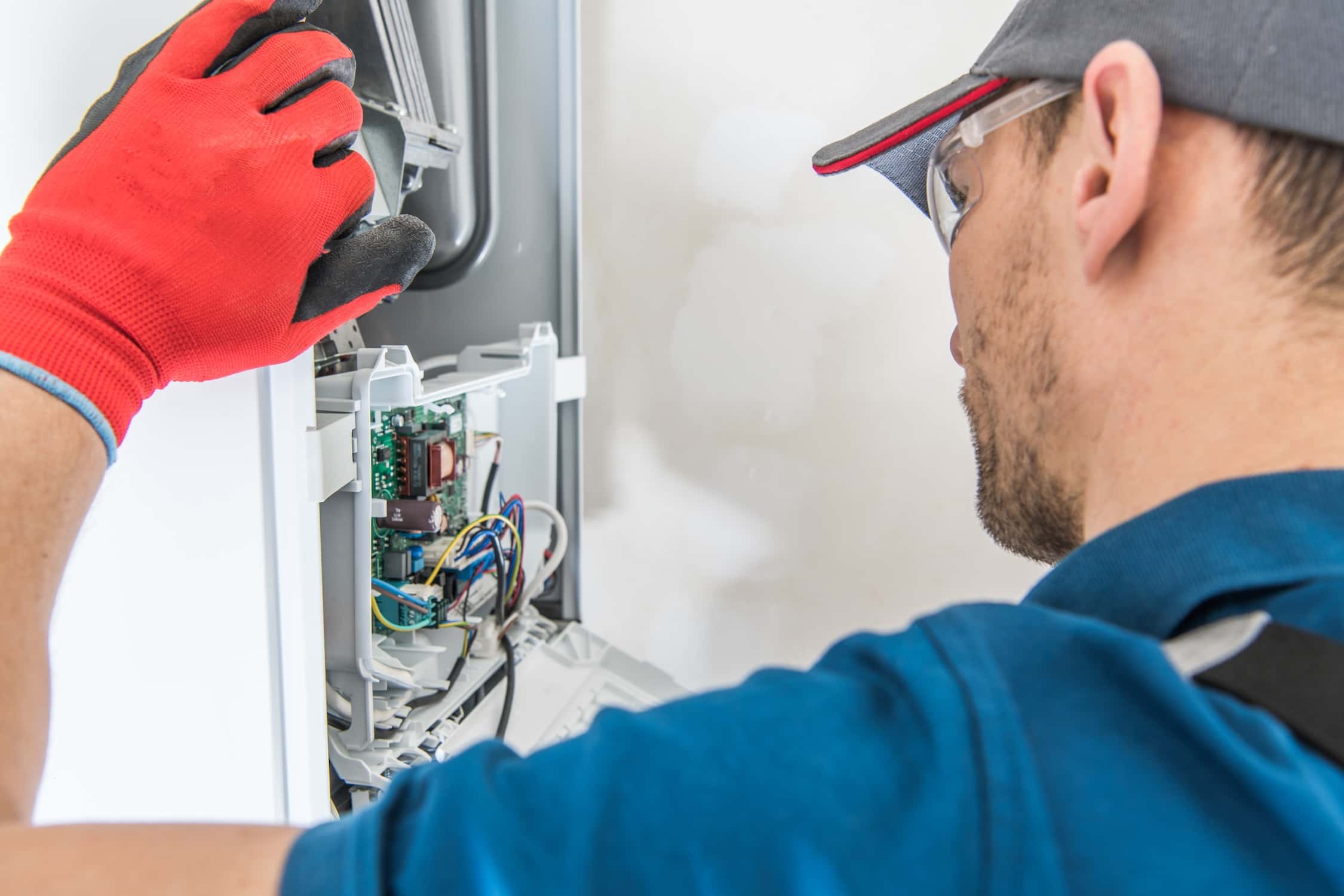
Thermostat faults can show in several ways. Some symptoms are obvious, while others may look like timer, Economy 7, or heating element problems.
If the heater stays cold after the overnight charging period, the thermostat may have failed or tripped. A safety thermostat can cut power to the heating elements if it detects overheating or abnormal operation.
This can make the heater appear completely dead, even when the power supply is still available.
A thermostat that fails in the wrong position may allow the heater to become too hot. This can cause excessive heat, burning smells, or the heater releasing heat too quickly.
Overheating should always be treated seriously. If the heater smells burnt, feels unusually hot, or trips the breaker, stop using it and arrange an inspection.
Some thermostats fail intermittently. The heater may start charging, then stop before enough heat has been stored. This often leaves the room cold the next day.
This type of fault can be harder to notice because the heater may still produce a small amount of heat.
Many storage heaters have a manual reset safety cut-out. If you need to reset the heater repeatedly, there is usually an underlying problem.
Repeated thermostat trips may be caused by a faulty thermostat, blocked airflow, damaged internal wiring, or another component overheating.
If the heater becomes very warm early in the day but feels cold by the afternoon, the issue may be related to the output control, thermostat, or internal heat regulation.
Incorrect settings can also cause this, but if the controls are set correctly and the problem continues, the thermostat should be checked.
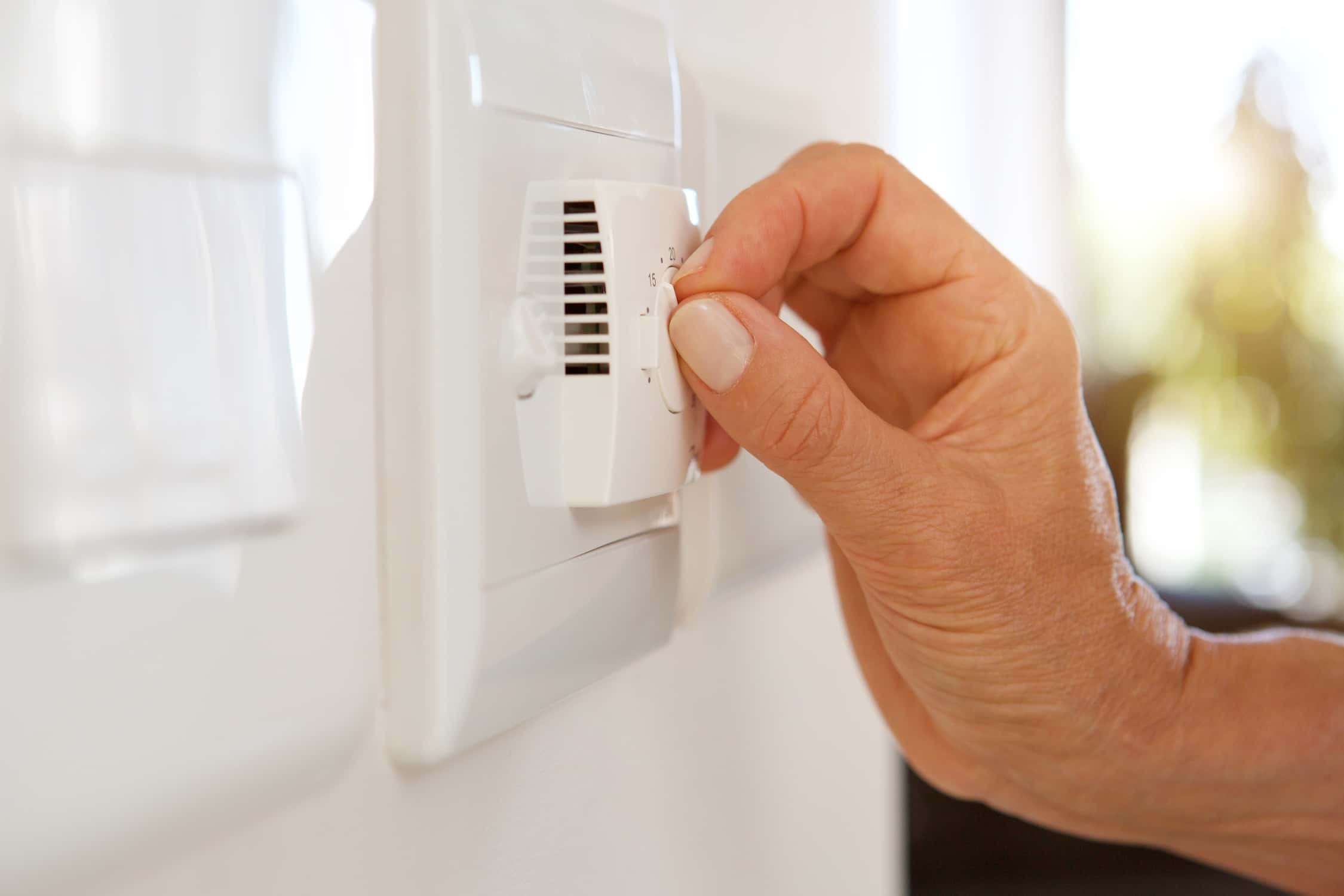
Thermostats can fail for several reasons. Storage heaters work at high temperatures, especially during winter, so internal parts can wear out over time.
Older storage heaters often have mechanical thermostats. These parts can weaken after years of heating and cooling cycles.
As the thermostat ages, it may become less accurate or stop switching correctly.
Storage heaters need clear airflow. If furniture, curtains, or clothing block the heater, internal temperatures can rise too high.
This may cause the safety thermostat to trip. In some cases, repeated overheating can damage the thermostat permanently.
A heating element fault can sometimes affect thermostat operation. If the element overheats or behaves inconsistently, the thermostat may cut out to protect the heater.
This is why a full diagnosis is important. Replacing the thermostat alone may not solve the problem if another internal component is causing the fault.
Loose terminals, heat damage, or burnt wiring can interrupt thermostat operation. Electrical connections inside a storage heater must be secure and heat-resistant.
Any signs of burnt wiring should be inspected by a qualified electrician.
Using the wrong replacement thermostat can cause ongoing problems. Storage heaters require compatible parts that match the model and electrical rating.
Professional repair helps ensure the correct part is fitted safely.
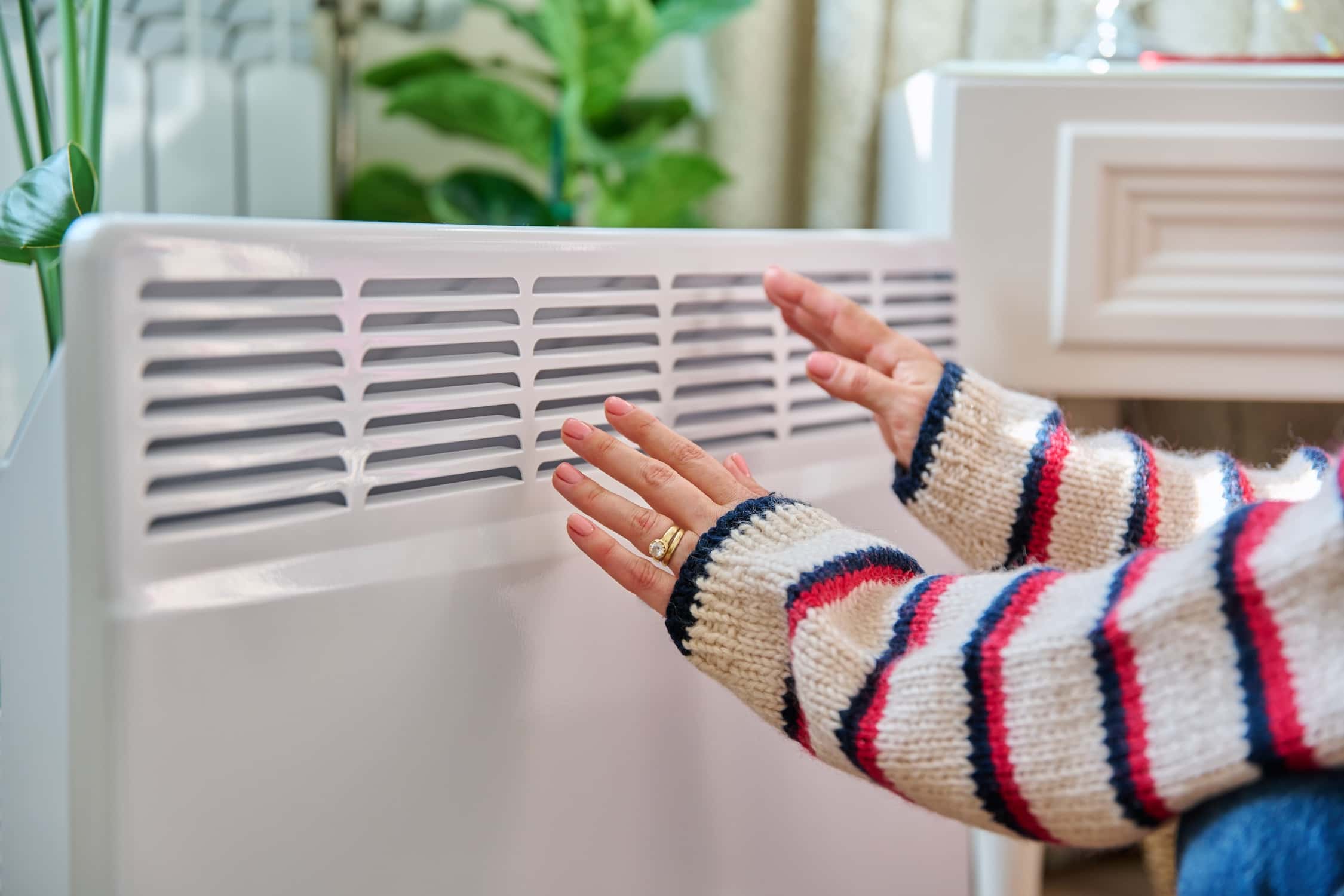
Overheating is one of the most common signs of a thermostat issue. The thermostat should stop the heater from exceeding safe temperatures. If it fails, the heater may become too hot.
However, overheating is not always caused by the thermostat alone.
Other possible causes include:
If your heater overheats, do not ignore it. Continued use may damage the heater further and may create an electrical safety risk.
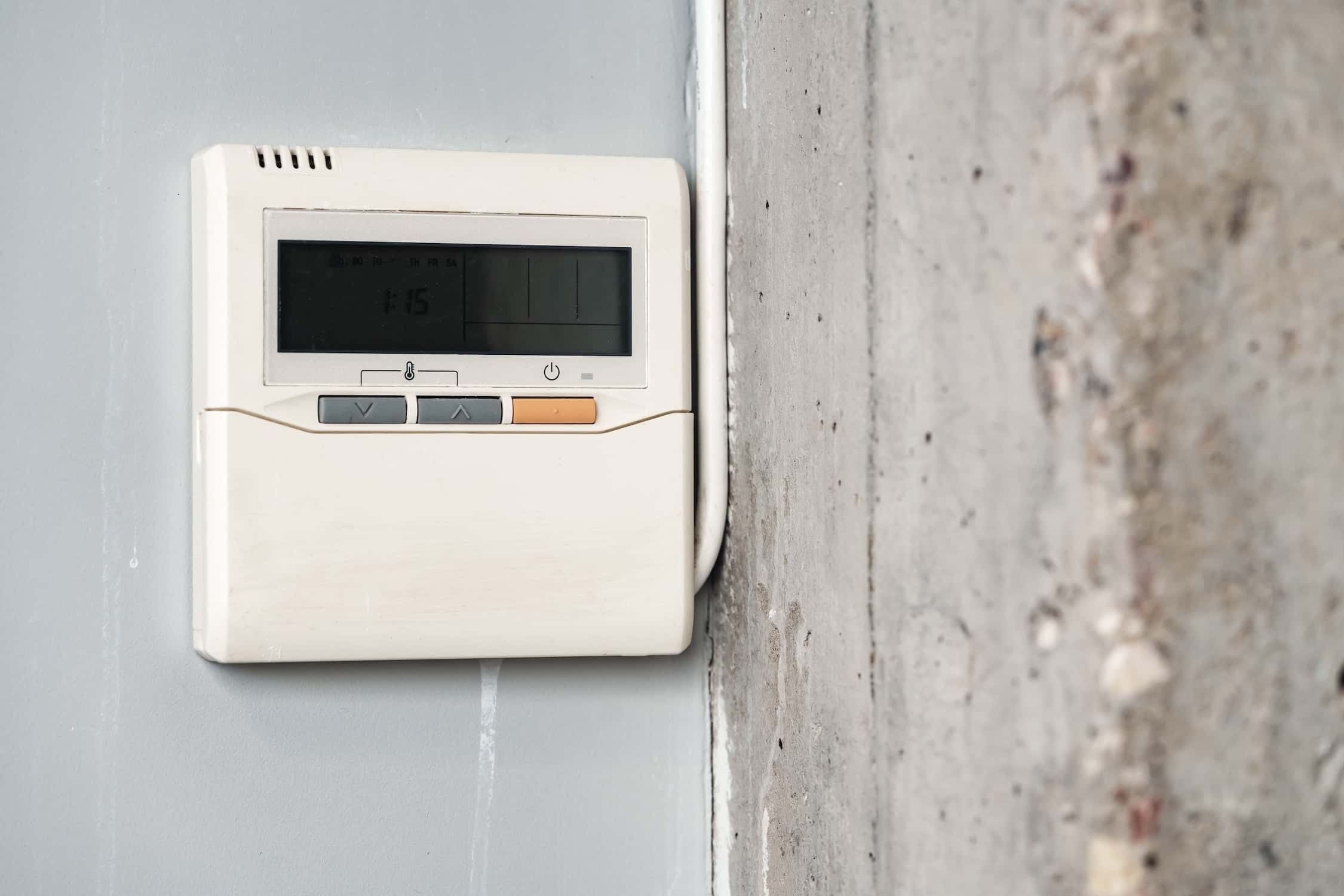
Some storage heaters have a manual reset button on the safety thermostat. This is designed to restore operation after the heater has tripped.
A reset may help if the heater stopped working after overheating or after being blocked by furniture or clothing.
The general process is:
If you are unsure, do not open the heater. Storage heaters are heavy, contain electrical parts, and may still hold heat after use.
If the thermostat trips again, there is likely a deeper fault. Repeated resetting is not a proper repair.
The heater should be inspected if it keeps cutting out, overheats again, or fails to charge overnight after reset.
Yes. In many cases, a faulty storage heater thermostat can be replaced without replacing the full heater.
This is often one of the most cost-effective storage heater repairs. If the heater is otherwise in good condition, thermostat replacement can restore normal operation and extend the life of the unit.
A professional repair normally includes:
If replacement parts are needed, you may also find compatible storage heater parts through the site shop.
Thermostat faults and heating element faults can look similar. Both can cause poor heating, failed charging, or cold heaters in the morning.
The difference usually becomes clear during electrical testing.
A qualified electrician can test both parts and confirm the correct repair. This avoids replacing parts unnecessarily.
Many storage heaters run on Economy 7. This means they charge during off-peak night hours and release heat during the day.
When a thermostat fails on an Economy 7 heater, the problem may seem like a tariff or timer fault. The heater may not charge overnight, may stop charging too early, or may not store enough heat for the next day.
If your heater is connected to an Economy 7 supply, the electrician should check both the thermostat and the off-peak circuit. A heater can only work correctly if the thermostat, heating elements, timer, and off-peak supply all function together.
A faulty thermostat can become a safety concern, especially if the heater overheats or electrical parts are damaged.
You should stop using the heater and arrange an inspection if you notice:
Do not keep resetting a heater that shows these signs. The thermostat may be warning you that another fault is present.
The cost of storage heater thermostat replacement depends on the model, the type of thermostat, part availability, and the labour required to access the component.
In general, thermostat replacement is usually cheaper than replacing the full storage heater. It is often a practical repair when the heater is still structurally sound and other components are working correctly.
The final cost may depend on:
If the heater is very old and several components have failed, replacement may be more sensible. But for many thermostat faults, repair remains the better first option.
Thermostat problems can affect most storage heater brands. Older heaters are especially likely to need thermostat replacement after years of daily use.
Common brands include:
Many older Dimplex storage heaters can still be repaired if suitable replacement parts are available.
You should call a storage heater electrician when basic checks do not solve the problem or when the heater shows signs of electrical failure.
Professional help is recommended if:
For local support, check the storage heater repair coverage areas across London.
You cannot prevent every thermostat failure, but you can reduce the risk of overheating and unnecessary wear.
Do not block the heater with furniture, curtains, or clothes. Storage heaters need clear airflow to release heat safely.
Leaving the output control fully open for long periods can release heat too quickly and may make the heater work harder than needed.
Dust can collect around vents and controls. Regular cleaning helps airflow and reduces burning smells when the heater is in use.
If the heater starts cutting out or overheating, do not wait until winter. Early diagnosis usually keeps the repair simpler and cheaper.
Common signs include overheating, no heat, frequent cut-outs, repeated thermostat resets, poor charging, or heat being released too quickly.
It is not recommended. Storage heaters are high-powered electrical appliances. Thermostat replacement should be carried out by a qualified electrician.
The heater may be overheating, blocked, incorrectly wired, or fitted with a faulty thermostat. A repeated trip usually means the heater needs inspection.
Yes. If the thermostat fails or cuts out, the heater may not charge properly during off-peak hours.
Usually yes. If the heater is otherwise in good condition, thermostat replacement is normally much cheaper than full replacement.
No. A burning smell may indicate overheating, dust build-up, damaged wiring, or a failing internal component. Stop using the heater and arrange a safety check.
Storage heater thermostat problems can cause no heat, overheating, poor overnight charging, or repeated cut-outs. In many cases, the thermostat can be replaced without replacing the full heater.
Because storage heaters use high-powered electrical components, internal repairs should always be handled safely. A qualified electrician can test the thermostat, heating elements, wiring, and Economy 7 supply before recommending the right repair.
If your heater is overheating, cutting out, or not charging overnight, contact a professional storage heater repair service in London for diagnosis and repair.