Few heating problems are more frustrating than waking up to a cold storage heater during winter. Many homeowners across the UK rely on electric storage heaters to provide affordable heating through off-peak electricity tariffs such as Economy 7. When the system stops charging overnight, rooms can quickly become uncomfortable and energy costs may rise.
The good news is that most overnight charging problems can be diagnosed and repaired. In many cases, the issue is related to the timer, thermostat, heating element or electrical supply rather than the heater itself.
This guide explains the most common reasons why a storage heater is not charging overnight, how to troubleshoot the issue safely, and when it is time to contact a professional electrician.
If your heater is no longer producing heat, a professional storage heater repair service in London can diagnose the problem and restore safe operation quickly.
Before troubleshooting the problem, it helps to understand how storage heaters work.
Unlike standard electric heaters, storage heaters are designed to store heat during off-peak hours when electricity prices are cheaper. The system normally charges overnight and slowly releases heat during the following day.
Inside the heater are:
During the night, electricity powers the heating elements which warm the internal bricks. These bricks retain heat and gradually release it throughout the day.
Most systems in the UK use:
If any part of this process fails, the heater may not charge correctly.
Several symptoms can indicate overnight charging problems.
The most obvious sign is when the heater remains completely cold after the night cycle.
This usually points to:
Sometimes the heater still works but stores far less heat than before.
Possible causes include:
Intermittent charging often indicates:
Some homeowners notice the heater draws power during expensive daytime hours instead of overnight.
This often suggests a wiring or tariff configuration problem. If your storage heater is not working properly, professional inspection is recommended before the problem worsens.
Several components can prevent a heater from charging correctly.
One of the most common issues is a failed off-peak electricity supply. Storage heaters rely on cheaper overnight electricity provided through Economy 7 or Economy 10 tariffs.
If the off-peak circuit fails:
This can happen because of:
An electrician can test whether the heater receives electricity during charging hours.
Storage heaters depend heavily on timers. If the timer fails or becomes incorrectly configured, the heater may charge at the wrong time, fail to charge completely, or charge during expensive daytime hours.
Modern smart meters can also occasionally create timing issues after installation or tariff changes. A faulty timer is one of the most common reasons for an Economy 7 storage heater not charging.
Many storage heater problems are caused simply by incorrect settings. Storage heaters usually have two controls: input and output.
The input control manages how much heat is stored overnight. A higher input setting stores more heat. A lower input setting stores less heat for the next day.
The output control manages how quickly stored heat is released. If output is left too high, heat escapes too early and the heater may feel cold later in the day.
Improper settings can make a fully working heater appear faulty.
Heating elements generate the heat stored inside the ceramic bricks. If the element burns out, the heater cannot generate heat and overnight charging may fail completely.
Common symptoms include:
Heating element replacement is one of the most common storage heater repair London services.
The thermostat regulates internal temperature. If the thermostat fails, the heater may not charge, charging may stop early, or the heater may overheat.
Some thermostats include safety cut-out switches that trip when temperatures become unsafe. A failed thermostat often requires replacement.
Electrical wiring faults can interrupt overnight charging.
Possible issues include:
Wiring problems should always be handled by a qualified electrician.
Winter places the highest demand on storage heaters. During colder months, heaters charge longer, components work harder, and electrical faults become more noticeable.
If your night storage heater is not heating properly, the problem may become obvious only during winter when higher heat levels are required. Older heaters are especially vulnerable during colder periods.
Before assuming the heater is faulty, confirm that your off-peak electricity supply is functioning properly.
Many Economy 7 systems activate overnight, commonly around 12am–7am or 1am–8am, depending on region and supplier. Make sure the meter clock is accurate.
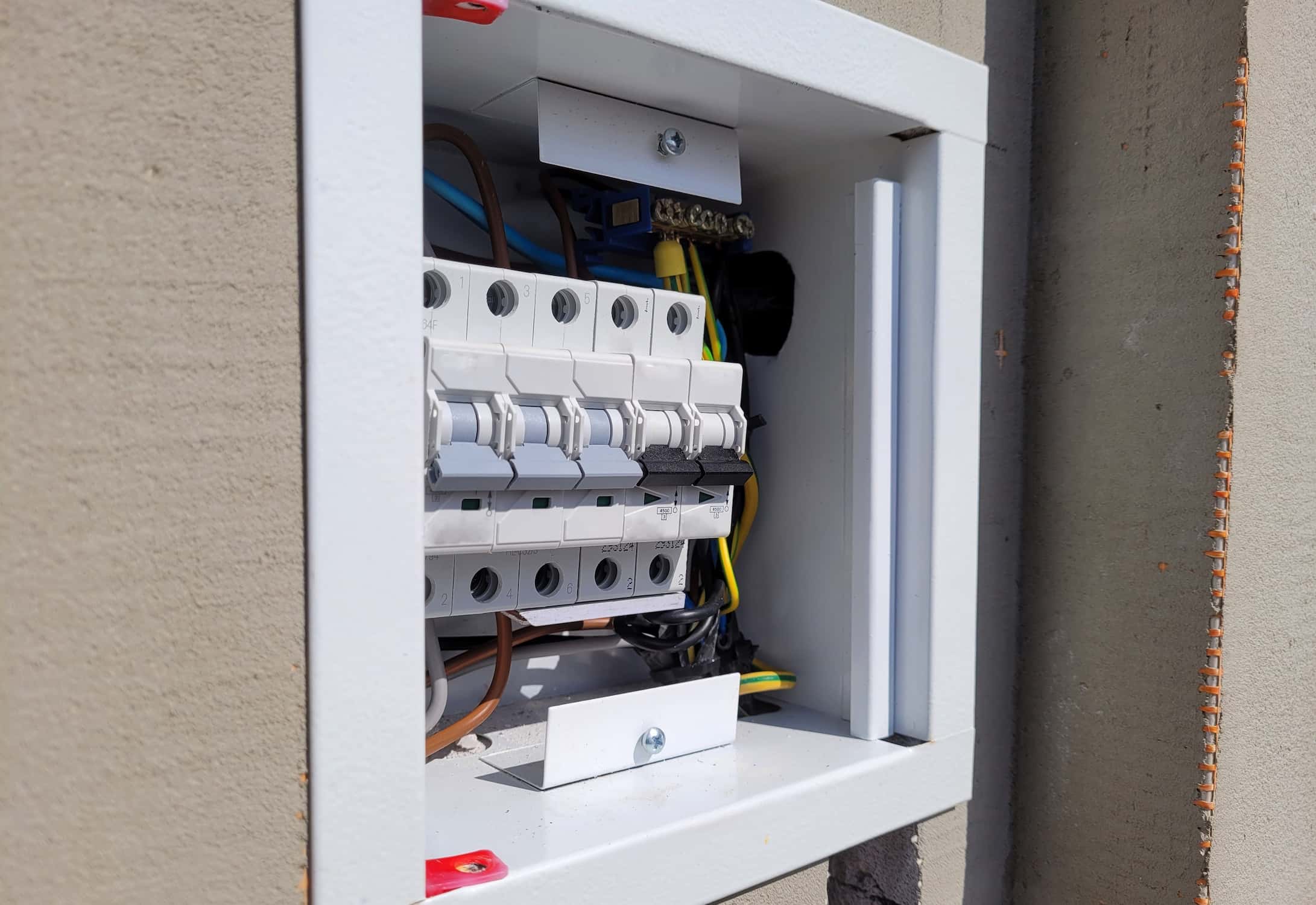
Some properties have one consumer unit for standard electricity and another for off-peak heating. If the off-peak breaker trips, storage heaters will stop charging.
Older systems often produce a clicking sound when switching between peak and off-peak rates. No switching may indicate a timer issue.
Supplier tariff errors can happen after smart meter installation, tariff changes, or meter replacement. If the timing seems incorrect, contact the supplier first.
There are several safe checks homeowners can perform before booking a repair.
Ensure the fused spur or heater switch remains on. Sometimes cleaners, tenants or previous occupants accidentally switch heaters off.
Many heaters include a manual reset safety thermostat. Turn off the power, remove the front cover carefully, locate the reset button, press reset, then restore power.
If the thermostat trips repeatedly, professional repair is needed.
Set input higher overnight during cold weather. A low input setting may prevent sufficient heat storage.
If output remains high all day, stored heat escapes too early. Lowering the output preserves heat for later.
Signs requiring immediate attention include burning smells, melted wiring, sparks, or crackling noises. If any appear, stop using the heater immediately.

Some faults require professional diagnosis. You should contact a storage heater electrician if the heater remains cold, the breaker keeps tripping, wiring appears damaged, the thermostat repeatedly fails, the Economy 7 supply seems faulty, or the heating element needs replacement.
Qualified electricians can safely test electrical resistance, thermostats, timer circuits, off-peak supply, and internal wiring.
Most overnight charging problems can be repaired.
Faulty elements are replaced with compatible parts. This repair restores overnight heat generation.
A failed thermostat can prevent proper charging cycles. Replacement thermostats are relatively affordable.
Timer faults may require reprogramming, replacement, or rewiring.
Loose terminals and damaged connections are repaired or replaced.
Electricians can confirm whether the off-peak supply activates correctly during charging hours.
Many homeowners assume replacement is necessary when a heater stops charging. In reality, repair is often far cheaper.
Repair is usually recommended when the heater is structurally sound, parts remain available, the issue involves a thermostat or timer, or the heating elements can be replaced.
Replacement may be recommended if the heater is extremely old, insulation is damaged, multiple internal components have failed, or replacement parts are unavailable.
Modern heaters are generally more energy efficient and better insulated.
Repair costs vary depending on the fault. Typical repairs include thermostat replacement, heating element replacement, timer repairs, and wiring repairs.
In most situations, repairing a storage heater costs significantly less than full replacement. Older heaters can often continue operating for many additional years after repair.

Regular maintenance helps reduce future breakdowns.
Do not block heaters with curtains, furniture, or clothing. Poor airflow can affect efficiency and safety.
Dust accumulation can cause overheating and burning smells. Vacuum vents occasionally.
Older storage heaters benefit from periodic professional inspection. This helps detect loose wiring, failing thermostats, and deteriorating components before complete failure occurs.
Winter usually requires higher input and moderate output. Spring and autumn often require lower input settings.
Storage heaters remain common across London because many flats lack gas heating systems. Older apartment buildings frequently rely on electric heating, Economy 7 tariffs, and central off-peak systems.
Because of this, demand for storage heater repair in London remains high, especially during winter months.
This usually means the heater did not charge overnight due to timer problems, Economy 7 faults, a broken heating element, or thermostat failure.
Yes. Most faults can be repaired without replacing the entire heater.
Possible causes include incorrect timer settings, failed off-peak supply, faulty thermostat, or a damaged heating element.
If the heater is structurally sound and replacement parts remain available, repair is often more cost-effective.
Potentially yes. Burning smells may indicate overheating or damaged wiring and should be inspected immediately.
If your storage heater is not charging overnight, the problem is often caused by the timer, thermostat, Economy 7 supply or heating element rather than the entire heater failing.
Many faults can be repaired quickly and affordably by a qualified electrician. Early diagnosis helps prevent larger electrical problems and restores efficient heating faster.
If your heater remains cold, overheats or fails to charge consistently, it is best to contact a professional electrician experienced in storage heater repair services in London for safe inspection and repair.