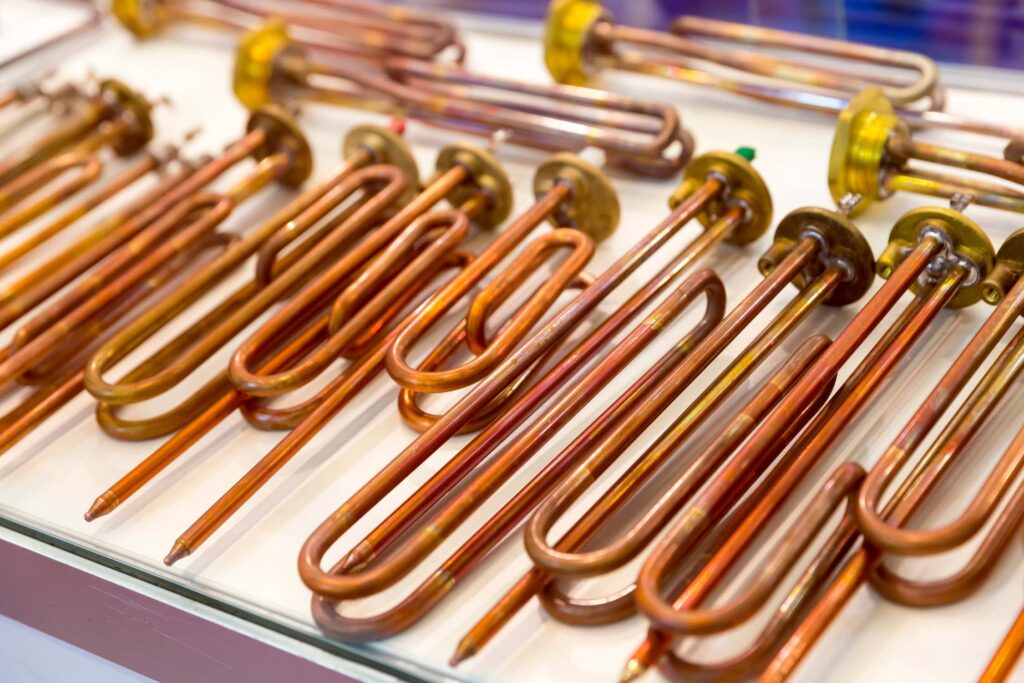
If your storage heater is not heating up properly, one of the most likely causes is a faulty heating element. The heating element is the part inside the heater that converts electricity into heat. When it fails, the heater may stay cold, produce weak heat, or only warm up in certain areas.
Many homeowners assume that a storage heater must be replaced when it stops working. In many cases, this is not true. A faulty element can often be replaced, restoring the heater without the cost of a full new installation.
This guide explains the signs of a faulty storage heater element, how heating element replacement works, and when to call a professional electrician for safe repair.
If your heater has stopped heating, a qualified storage heater repair specialist in London can test the elements and confirm whether replacement is needed.
A storage heater heating element is an internal electrical component that produces heat. During off-peak hours, usually overnight, electricity passes through the element and heats the ceramic or clay bricks inside the heater.
These bricks store heat and release it slowly during the day. If the heating element fails, the bricks cannot heat up correctly. This means the heater may not store enough warmth for the following day.
Most storage heaters contain one or more heating elements, depending on the size and model. Larger heaters often have multiple elements. If one element fails, the heater may still produce some heat, but much less than normal.
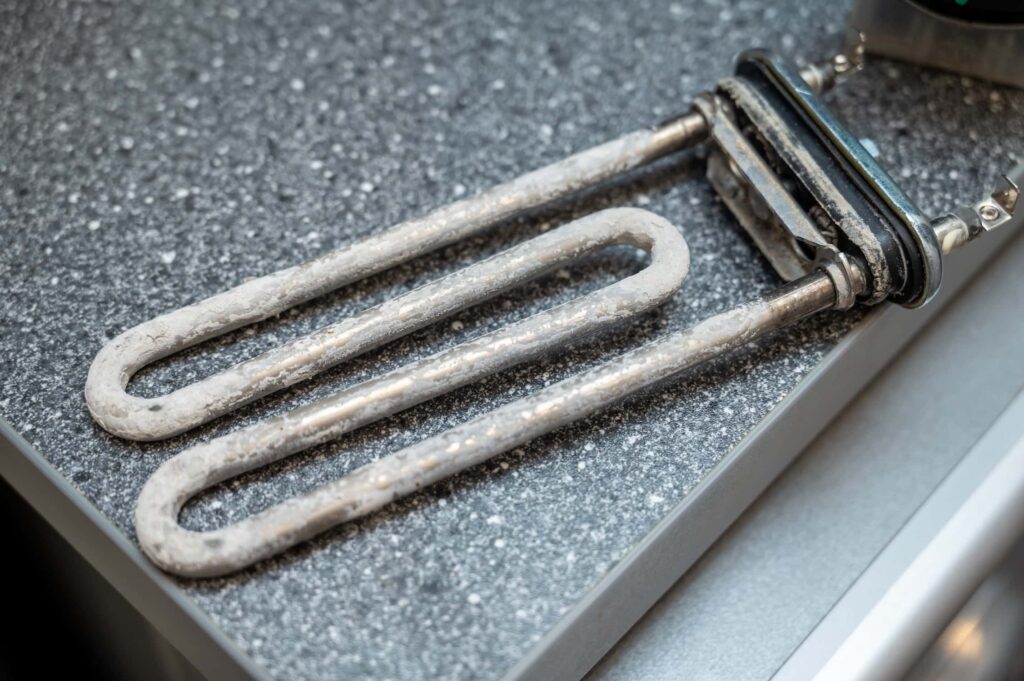
A faulty element can create several symptoms. Some are easy to notice. Others can be confused with thermostat, timer, or Economy 7 supply problems.
The clearest sign is a heater that remains cold after the overnight charging period. If the heater has power but does not produce heat, the element may have failed.
This can also happen if the thermostat has tripped or the off-peak supply is not working, so proper testing is needed before replacing parts.
If one side of the heater feels warm and another side stays cold, one of the elements may have failed. This is more common in larger storage heaters with multiple elements.
The heater may still work, but it will not store enough heat to warm the room properly.
A failing element may still produce some heat but not enough. You may notice the heater feels warm in the morning but cools down much earlier than expected.
This often becomes more noticeable during winter when the heater needs to store more heat overnight.
If the power supply and timer are working but the heater still fails to store enough warmth, the heating element may be partly faulty or completely failed.
This issue is often linked to older heaters that have worked reliably for many years before suddenly losing performance.
A damaged heating element can sometimes cause the circuit breaker to trip. This may happen when the heater begins charging overnight.
If this happens repeatedly, stop using the heater and arrange an electrical inspection. Repeated breaker trips can indicate a serious fault.
Heating elements work under high temperature conditions. Over time, they can weaken, crack, burn out, or fail electrically.
Older storage heaters may have elements that have been heating and cooling for many years. This repeated cycle causes wear. Eventually, the element may fail.
Blocked vents, poor airflow, or incorrect settings can make the heater run hotter than normal. Overheating can shorten the life of the heating element and other internal parts.
Loose connections, damaged wiring, or poor contact inside the heater can place stress on the element. These issues should always be checked by a qualified electrician.
Storage heaters require compatible heating elements. Fitting the wrong element can cause poor performance, overheating, or further failure.
This is why model-specific diagnosis and repair are important.
Yes. In many cases, a faulty storage heater heating element can be replaced without replacing the full heater.
This is often one of the most cost-effective repairs. If the heater casing, bricks, wiring, and controls are still in good condition, element replacement can restore normal performance.
A professional repair usually includes:
Compatible parts may also be available through the storage heater parts shop.
A faulty heating element can look similar to a faulty thermostat. Both can cause the heater to stop charging, stay cold, or produce weak heat.
The main difference is that the thermostat controls the charging cycle, while the element creates the heat. If the thermostat fails, the element may not receive power. If the element fails, it may receive power but fail to heat.
For more detail, see our guide to storage heater thermostat problems.
Most storage heaters use Economy 7 or another off-peak electricity tariff. This means the element normally heats the bricks overnight, when electricity is cheaper.
If the element fails, the heater will not store enough heat during the off-peak period. In the morning, the heater may feel cold or only slightly warm.
However, Economy 7 problems can also be caused by the timer, meter, off-peak consumer unit, or supply configuration. A proper test should confirm whether the issue is with the element or the electrical supply.
If your heater is cold every morning, read our guide on why a storage heater is not charging overnight.
No. Storage heater element replacement should be carried out by a qualified electrician.
Storage heaters are high-powered electrical appliances. They are heavy, contain internal wiring, and may include heat-retaining bricks that need careful handling. Incorrect repair can create fire risk, electric shock risk, or damage to the heater.
Professional repair is safer because the electrician can isolate the supply, test the circuit, confirm the faulty part, and fit the correct replacement element.
The cost depends on the heater model, element type, part availability, and labour required. Some heaters are easier to access than others. Larger heaters may contain more than one element.
Element replacement is usually cheaper than replacing the full storage heater, especially if the heater is otherwise in good condition.
The final cost may depend on:
For older heaters, repair is often the first option because it can restore heat at a much lower cost than full replacement.
Replacing the heating element usually makes sense when the heater is still solid, safe, and suitable for the room.
Repair is often the best option if:
If the heater fits the space well and only one internal part has failed, replacement of the element can be a practical and affordable repair.
Full replacement may be better if the heater has several major issues or is no longer safe to use.
Replacement may be recommended when:
For a broader comparison, see the existing article on storage heater repair or replacement.
Heating element faults can affect most storage heater brands. Older Economy 7 heaters are especially likely to need repairs after many years of use.
Common brands include:
Many older Dimplex storage heaters can still be repaired if suitable elements are available.
A qualified electrician does not normally guess which part has failed. The heater should be tested properly before parts are replaced.
The process may include:
This helps confirm whether the heating element is the real problem or whether another component is stopping the heater from working.
Yes, especially in smaller heaters. If a heater has only one element and that part fails, the heater may stop producing heat completely.
In larger models with multiple elements, one failed element may reduce performance rather than stop the heater entirely. The heater may still feel warm, but it will not store enough heat for normal use.
This is why weak heat output should not be ignored. A heater that is only partly working may become less efficient and may fail completely later.
You cannot stop every element from failing, but good use and basic maintenance can help extend the life of the heater.
Do not cover the heater with clothes, curtains, or furniture. Blocked airflow can cause overheating and damage internal parts.
Use higher input during colder weather and lower input during mild weather. Running the heater harder than needed may place unnecessary strain on components.
Dust build-up can affect airflow and cause smells when the heater is hot. Keep vents clear and clean around the heater regularly.
If the heater becomes weaker, colder, or starts tripping the breaker, do not wait until complete failure. Early repair is usually simpler.
Storage heaters are still common in London flats, rental properties, and older buildings without gas central heating. Many of these heaters can continue working well after an element replacement.
If you need local support, check the storage heater repair coverage areas for London.
A professional electrician can check whether the element, thermostat, timer, or Economy 7 supply is causing the issue and recommend the most cost-effective repair.
Common signs include no heat, weak heat, only part of the heater warming up, or the breaker tripping when the heater charges.
Yes. Many storage heater elements can be replaced if compatible parts are available and the heater is otherwise in safe condition.
Usually yes. If only the element has failed, replacing it is normally cheaper than installing a new heater.
No. Storage heaters are high-powered electrical appliances. Element replacement should be done by a qualified electrician.
One of the heating elements may have failed, especially in larger heaters with multiple elements.
If the heater is structurally sound and parts are available, repair is often the better first option. Replacement may be better if several major parts have failed.
A faulty heating element is one of the most common reasons why a storage heater stops heating properly. The heater may stay cold, produce weak heat, or only warm up in one area.
In many cases, storage heater heating element replacement is a practical and cost-effective repair. It can restore heat without replacing the full unit.
If your heater is not heating up, not charging overnight, or tripping the breaker, contact a professional storage heater repair service in London for safe testing and repair.