Electric storage heaters are common in many UK homes. They are simple, reliable, and work well with off-peak electricity tariffs such as Economy 7.
If your heater stops working or does not charge overnight, a professional storage heater repair service in London can quickly diagnose the issue.
When they work properly, they can heat a home efficiently and keep energy bills low. If your heater stops working, a professional storage heater repair service can diagnose the issue and restore the system safely.
But like any electrical appliance, storage heaters can fail over time. A heater may stop producing heat, overheat during the day, or fail to charge overnight. When this happens, many homeowners ask the same question: should you repair the storage heater or replace it?
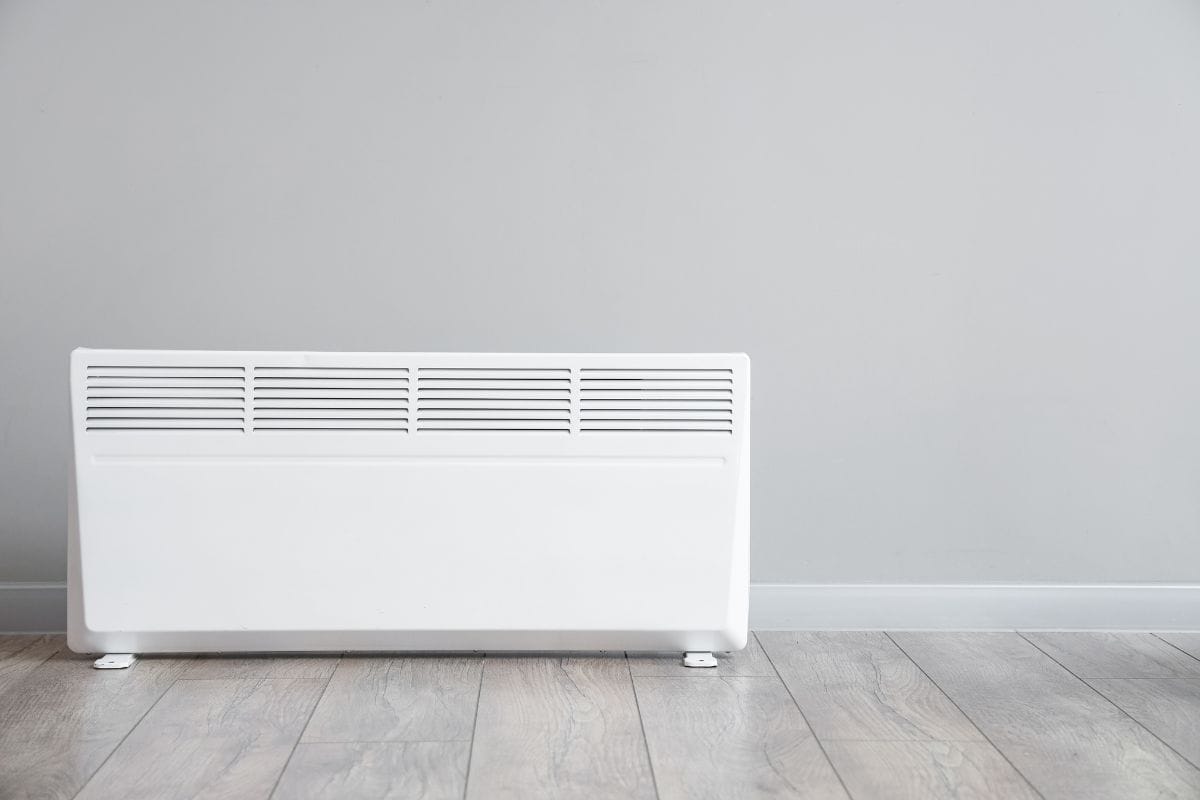
In most cases, repair is the most economical solution. Many faults are simple and inexpensive to fix, especially when diagnosed by an experienced electrician. Problems often involve components like thermostats, heating elements, switches, or timers.
This guide explains how storage heaters work, the most common faults, and when to call a professional for storage heater repair.

Before discussing repair solutions, it helps to understand how storage heaters function.
Storage heaters use electricity during off-peak hours, typically overnight. Inside the heater are ceramic or clay bricks that store heat generated by electric heating elements.
During the night:
During the day:
The heater gradually releases stored heat into the room through vents or convection.
This system allows homeowners to take advantage of cheaper electricity tariffs, such as Economy 7. These tariffs provide lower energy prices during night hours.
Because storage heaters rely on internal components working correctly, a failure in one part can affect the entire system.
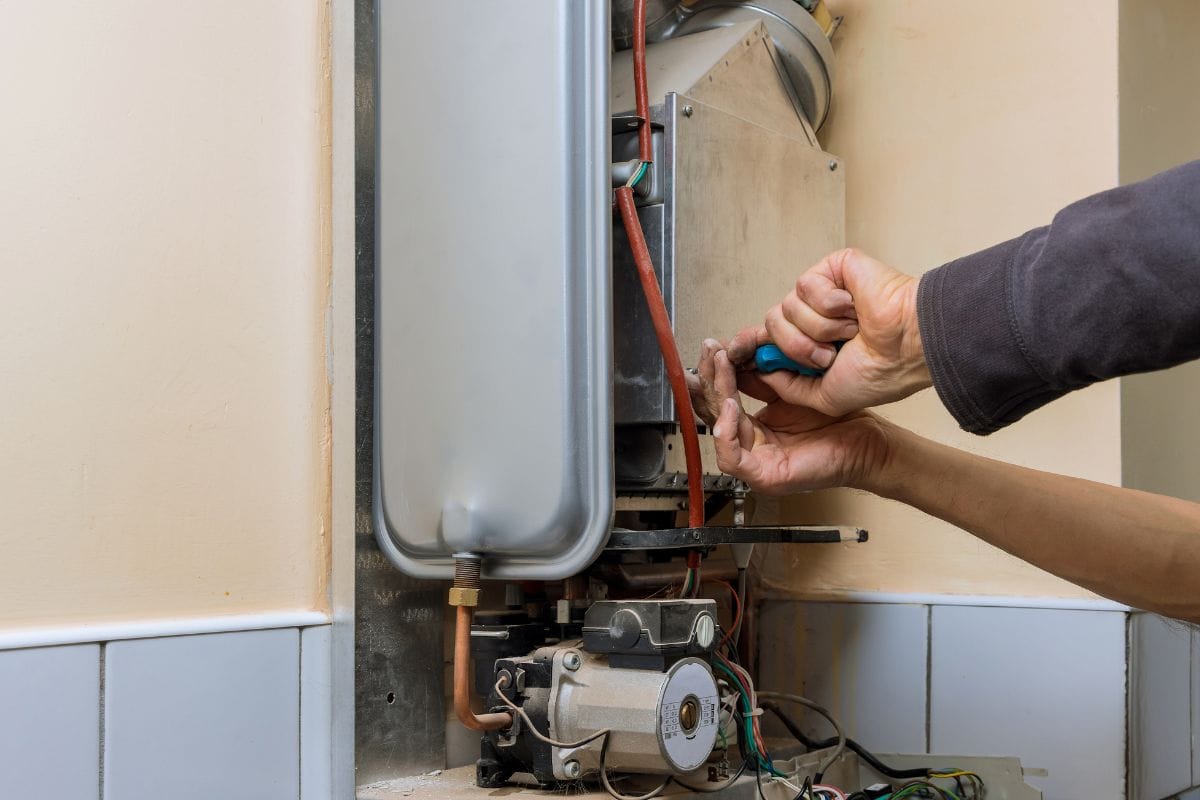
Many heater problems develop slowly. Recognizing the early signs can prevent larger failures later.
If your storage heater is not working, the problem may be related to the thermostat, heating element or power supply.
Common symptoms include:
If the heater stays completely cold, the problem may be:
Heating elements and thermostats are among the most common parts that fail.
Storage heaters should charge during off-peak hours. One of the most common problems is when the heater does not charge overnight on an Economy 7 tariff. If they do not heat overnight, possible causes include:
When a heater releases too much heat during the day, the thermostat may be faulty. This can also happen if the output control is damaged.
If only part of the heater becomes warm, one heating element may have failed.
Dust burning inside the heater can cause temporary smells. However, electrical smells or unusual noises should be checked immediately.
Understanding common faults helps determine whether repair is possible.
Below are the issues electricians encounter most frequently.
The thermostat regulates temperature inside the heater.
If it fails, the heater may:
Thermostats can sometimes be reset manually, but if the component is damaged it must be replaced.
Fortunately, thermostats are relatively inexpensive parts.
Heating elements convert electricity into heat.
Over time they can burn out. When this happens:
Replacing heating elements is a common night storage heater repair and usually restores normal operation.
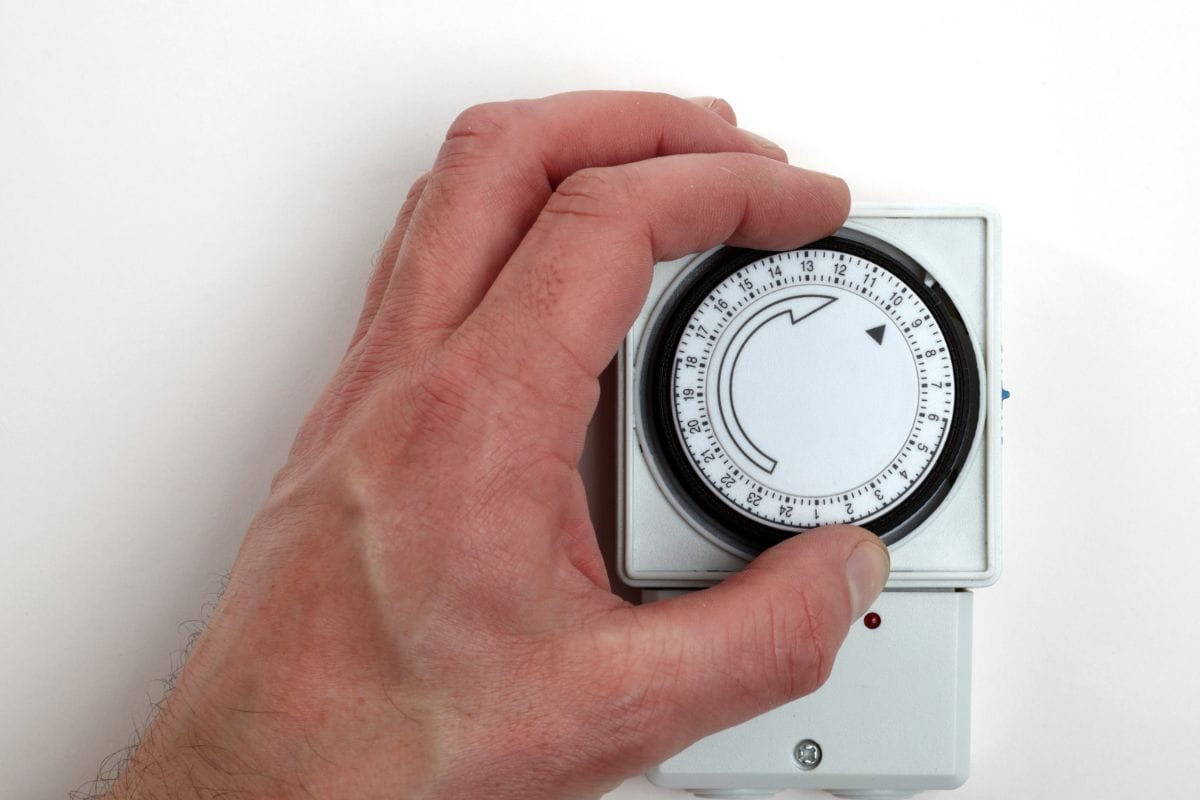
Storage heaters depend on off-peak electricity tariffs such as Economy 7.
If the timer or off-peak supply is not working, the heater will not charge overnight.
Possible causes include:
An electrician can test the supply and confirm whether the problem is internal or related to the electricity tariff system.
Storage heaters normally have two controls:
Input control – determines how much heat is stored overnight
Output control – determines how much heat is released during the day
If these controls fail, the heater may release heat too quickly or not at all.
Replacing control switches is usually straightforward.
Loose connections inside the heater can prevent it from working correctly.
Terminal blocks sometimes fail due to:
These problems require professional inspection and repair.
Some minor tasks are possible for homeowners.
Examples include:
However, most repairs involve electrical components.
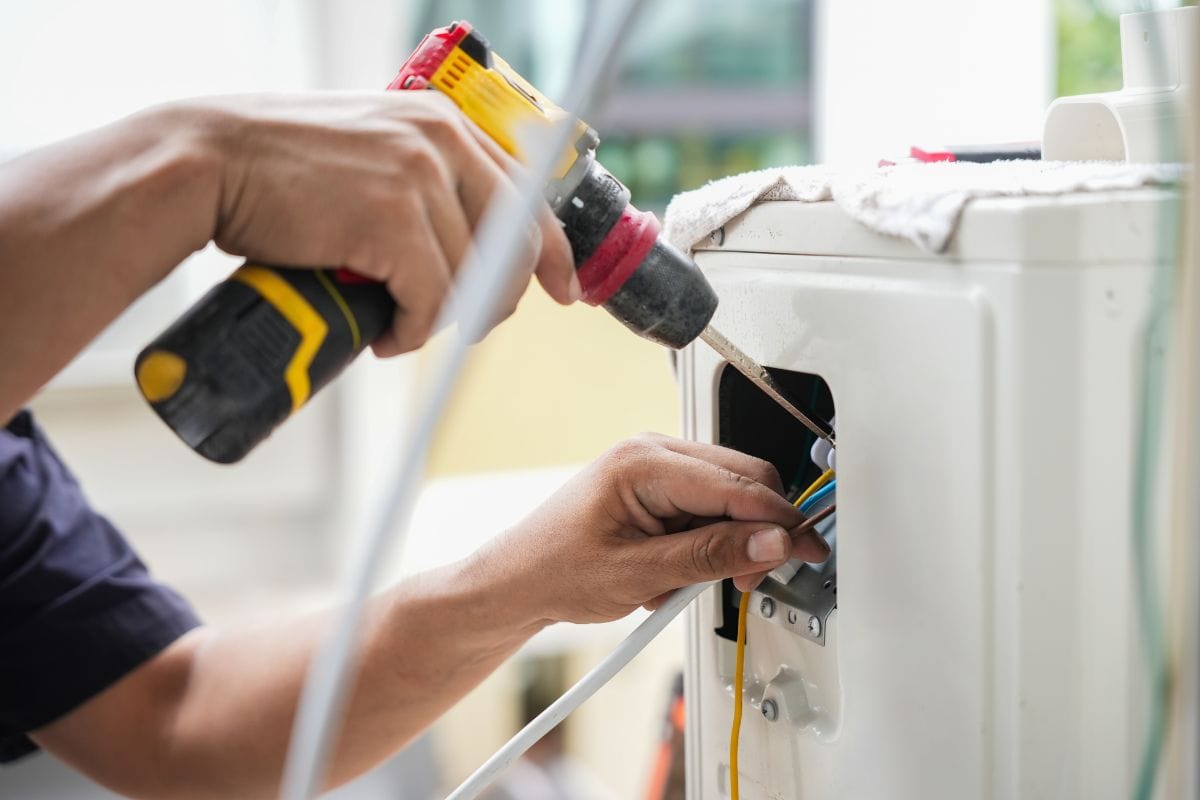
Because storage heaters operate at high power levels, incorrect handling can cause electric shock or fire risks. Professional electricians follow strict safety procedures when repairing heaters.
For safety reasons, internal repairs should always be performed by a qualified electrician.
Before scheduling a storage heater repair, you can check a few simple things.
Make sure the circuit breaker has not tripped.
Also check:
If your electricity tariff uses Economy 7, confirm that the timer is correctly set.
A timer that is off by several hours may prevent overnight charging.
Many storage heaters have a reset button on the thermostat.
To reset:
If the heater still does not work, professional repair is required.
Many homeowners assume replacement is necessary when a heater stops working.
In reality, repair is often much cheaper.
The cost of repairing a storage heater is typically a fraction of the cost of installing a new unit.
However, replacement may be recommended when:
A qualified electrician can assess the condition of the heater and recommend the best option.
Hiring an experienced electrician offers several advantages.
Electrical heating systems require proper handling. Professionals ensure repairs meet safety standards.
Experienced electricians can identify faults quickly.
Heaters from brands such as:
require specific components.
Professional engineers have access to compatible parts.
Repairing faults early prevents energy waste and reduces heating bills.
Many homes in London still rely on storage heaters.
These heaters are common in:
Because of this, specialized electricians offer repair storage heater London services.
Professional repair services often include:
Many companies also provide 24-hour emergency repairs, especially during winter when heating failures are most critical.
Preventative maintenance can extend the lifespan of your heater.
Here are several useful practices.
A yearly inspection by an electrician helps detect issues early.
Never cover storage heaters with clothing or furniture.
Blocked vents reduce efficiency and may cause overheating.
Dust accumulation can affect airflow and cause burning smells.
Incorrect settings can lead to wasted energy.
For example:
Storage heaters are durable appliances.
A well-maintained unit can last 15–20 years or longer.
However, internal components such as thermostats and heating elements may fail earlier and require replacement.
This is why many heaters can be repaired multiple times during their lifespan.
Older storage heaters are often simple and mechanical.
Newer models include:
However, older heaters are often easier and cheaper to repair because they contain fewer electronic components.
In many cases, repairing an older heater can extend its life for many additional years.
Some heater faults require immediate attention.
Call an electrician if you notice:
These signs indicate potential electrical hazards.
Time needed 20 minutes
A simple step-by-step guide to checking common storage heater problems, including power supply, Economy 7 timer settings, heater controls and thermostat reset.
Make sure the storage heater is switched on. Check the fused spur, wall switch and consumer unit to see if a breaker has tripped or a fuse has blown.
Storage heaters normally charge overnight using an off-peak tariff such as Economy 7. Make sure the timer or meter is set correctly and the heater receives power during off-peak hours.
Set the input control high enough for overnight charging. Keep the output control low until heat is needed during the day. Incorrect settings can make the heater appear faulty.
Turn off the power first. If the heater has a manual reset thermostat, remove the front panel carefully and press the reset button. Turn the power back on and check if the heater starts charging.
If the heater remains cold, overheats, smells burnt or repeatedly trips the breaker, there may be a problem with the heating element, thermostat or internal wiring.
If the problem continues after these checks, contact a qualified electrician experienced in storage heater repair to diagnose and fix the issue safely.
Repair prices vary depending on the problem.
Typical costs in the UK include:
Many companies charge a base service fee plus parts.
Even with parts replacement, repairs are usually far cheaper than installing a new heater.
When choosing a repair service, consider several factors.
Look for electricians with experience repairing storage heaters.
Heating problems often occur during winter. Choose services that offer emergency repairs.
Ask about:
Clear pricing prevents surprises later.
Yes. Most storage heater faults such as thermostats, heating elements or timers can be repaired by a qualified electrician.
This is usually caused by a timer issue, Economy 7 supply problem or a faulty heating element.
Storage heaters remain a practical heating solution for many UK homes. When they function correctly, they provide efficient warmth and help reduce electricity costs through off-peak tariffs.
When problems occur, repair is often the best option. Many faults involve simple components such as thermostats, heating elements, or switches.
If your heater stops working, the safest approach is to contact a qualified electrician who specialises in storage heater repair. A professional diagnosis can quickly restore warmth to your home and extend the life of your heating system.